By Romney Stewart
Living man. Witness. Beneficiary. Executor.
“When a man forgets the law of his land, others will write new ones in his name.”
I. Introduction: A Constitution Undermined
Over the past thirty years, the United Kingdom has experienced a silent constitutional coup—camouflaged as democratic reform. Not through force, but by a persistent legal fiction: the adoption of the so-called “separation of powers.” Imported, not inherited, this foreign theory unravels the ancient organic compact between the people and their natural sovereignty.
It is no accident. It is not reform—it is a simulation of lawful process to mask the usurpation of power by statute, policy, and administrative decree. And we, the living men and women of Britain, have allowed our unwritten constitutional legacy to be overwritten by corporate governance masquerading as authority.
II. Separation of Powers: A Foreign Legal Fiction
The “separation of powers” is a 1748 abstraction, misapplied from Montesquieu’s misunderstanding of Britain. The American Founders codified it as a safeguard—but Britain never operated under such division. Historically, the monarch’s authority devolved into Parliament’s and then into the Prime Minister’s office, but always under the implicit trust of the governed. The Crown’s authority was never separated from duty to the people—it was fiduciary, not fictional.
Today, those fiduciary duties are buried beneath administrative policy. Prime Ministers appoint ministers, command the civil service, direct legislation—and yet deny direct accountability to the people. This is not constitutional evolution; it is corporate consolidation.
III. Reform as Displacement
The last decades of reforms—Supreme Court creation, fixed-term Parliaments, elected committees—do not restore liberty. They restructure management. The ancient trust between governed and governor has been eroded by policy masquerading as law.
– The Lord Chancellor, guardian of the realm’s legal conscience, was replaced by a minister of “justice”—a CEO with no oath to the people.
– The Law Lords were dissolved into a “Supreme Court” without supremacy of conscience.
– Parliament, once a steward of public will, now dances to the choreography of party whips and unelected think tanks.
The result? A citizen no longer governed by consent but administered by policy—a subject of silent statutes he never read, let alone agreed to.
IV. Sovereignty and the Living Man
The British constitution was never about paperwork—it was about presence. The living man standing in honour, invoking his God-given dominion, rebutting presumptions of incompetence, civil death, and corporate guardianship.
But today’s “constitutional reform” presumes the opposite. It assumes the man is lost, the estate is abandoned, and therefore the system may act as trustee, executor, and beneficiary—without notice.
This is legal piracy in equity’s clothing.
V. A Constitutional Moratorium
Let us say clearly: the British constitution is not broken—its stewards are compromised.
If any change is to occur, let it occur not in Parliament alone but with the full notice and consent of the living nation. Constitutional amendments, especially regarding hereditary governance, local authority jurisdiction, and financial sovereignty, must be subjected to binding public referenda.
And no act passed in conflict with the natural law, common law, or God’s law shall stand.
VI. Conclusion: Restore, Don’t Reform
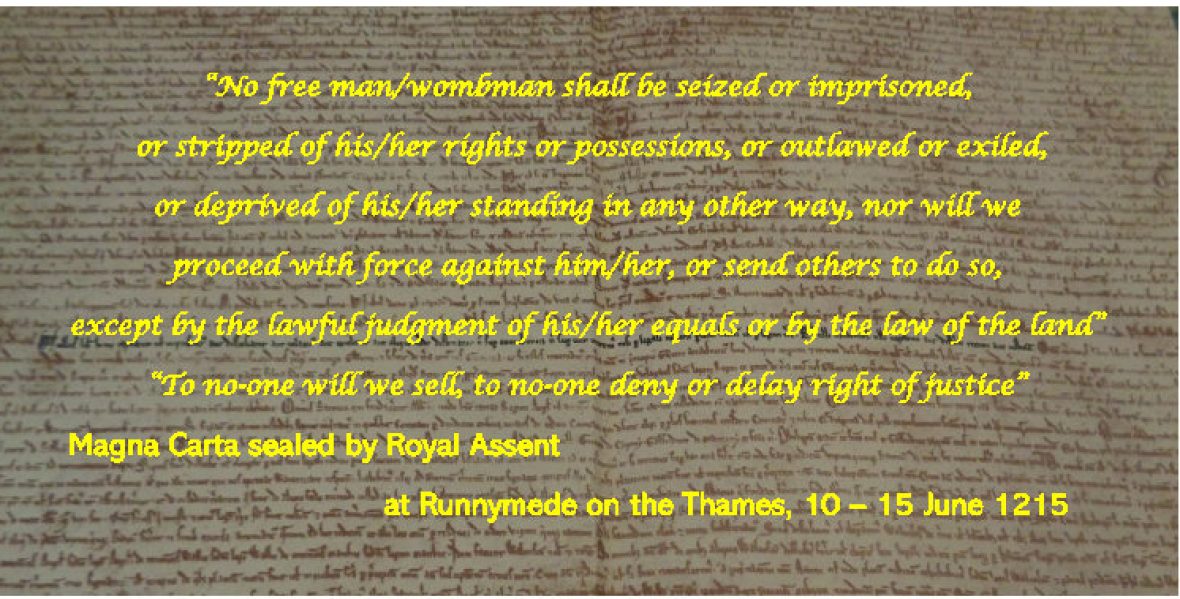
We are not children of administration. We are heirs of Magna Carta, of 1688, of standing juries and living trusts. Let us restore the sovereign foundation—not rewrite it with the pen of policy.
“We do not need a new constitution. We need to remember the old one.”
Let the record show: The living men and women reclaiming Britain do so not in rebellion, but in peaceful possession of their estate, invoking the law that predates Parliament.
- * I would just prefer to have the root exposed, english before british


Hi Andrew – so what happened to your dwelling place? in the end did you get thrown out?
LikeLike
HI Jeni-susan, I’ve only just seen this. No, an unlawful and illegal eviction order was issued by a civil court, then a woman from the Housing Association came to say that they didn’t really want to eject an 84-yr old , so, I have made a bona-fide offer to settle the matter, on which they are still, 3 months later, deliberating over. Thank you for your concern.
LikeLike
Yes, I have been deprived of a 24-yr dwelling place. They did it on the due eviction date when we were still in dispute!
This is an effort to prevent the Truth from emerging about the accounts hidden behind our NONos emerging. I am now being
helped and am accessible only by snail-mail to my ‘poste restante’ address.
LikeLike